Posts

How to Select the Right Sawmill Blade Profile

Image
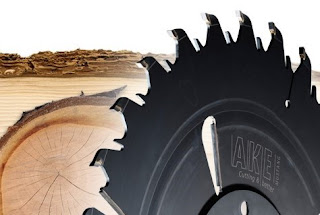
Saw Blades Choosing the correct sawmill blade profile is essential for achieving efficient and precise cuts. If you're working with wood or metal, the right saw blade can drastically improve your cutting performance and reduce wear. Here’s a guide on how to select the best saw blade for your needs. When it comes to saw blades , different profiles are designed for specific types of cuts. If you’re looking for a smooth finish, a blade with a flat tooth profile may be best, as it cuts cleanly and leaves less roughness on the material. On the other hand, a blade with a more aggressive tooth profile, like a hook or a high-helix design, can help increase cutting efficiency for harder materials. For those working with metal cutting circular saw blades , it’s important to select a blade with the correct carbide teeth for longevity and durability. A high-speed steel or carbide-tipped blade is ideal for metal as it can withstand heat and maintain sharpness over time. Additionally, a metal cu...

Optimising Performance with Wood Industry Chipper Knives

Image
  In the wood industry, chipper knives play a vital role in the efficiency of wood chipping processes. These specialised cutting tools are designed to shred and chip wood materials into manageable sizes for further processing, such as creating mulch, wood chips, and other byproducts. With the right wood chipping tools, businesses can enhance productivity and maintain the quality of their output. Quality chipper knives are essential for achieving clean cuts and reducing wear on equipment. High-performance wood chipping tools minimise the risk of downtime due to blade maintenance and replacement, making them a cost-effective investment for manufacturers and contractors. Whether you are processing hardwoods or softer materials, selecting the appropriate chipper knives can significantly influence the efficiency of your operations. As a trusted wood chipping tool supplier, AKE Sales Tech provides a wide range of chipper knives suitable for various applications in the wood industry. Ou...

Precision Cutting with PCD Saw Blades – The Solution for Hard Materials

Image
When it comes to cutting tough materials like stone, concrete, or non-ferrous metals, PCD (Polycrystalline Diamond) saw blades are the perfect choice. Known for their durability and precision, PCD saw blades are ideal for achieving clean, smooth cuts in materials that would quickly wear down traditional blades. These blades are a popular choice across various industries that demand high-quality finishes and reliable performance. PCD cutting tools, including PCD saw blades, are engineered to withstand intense cutting conditions while maintaining sharpness for extended periods. As a result, PCD tooling manufacturers have designed these blades to cut through materials that would typically dull standard tools. The combination of Polycrystalline Diamond's hardness and the precision design of the blade ensures minimal wear and maximum efficiency, saving time and reducing costs for industrial operations. Industries that rely on precise cutting often partner with diamond tools manufacture...

How to Select the Ideal Saw Blade

Image
                                                                           Saw Blades Choosing the right saw blade is essential for achieving clean, precise cuts, whether you're working with wood, metal, or other materials. The variety of saw blades available can be overwhelming, but understanding key factors can help you make an informed decision. The first consideration is the type of material you’ll be cutting. For wood, a standard circular saw blade with fewer teeth (around 24 to 40) is ideal for ripping through lumber quickly. However, if you need smoother cuts, a blade with more teeth (60 or more) is preferable. For metal, a metal cutting circular saw blade is specifically designed to handle the toughness of metals like steel or aluminium. These blades typically have a lower tooth count and ar...

Properly Sharpening Chipper Blades – Comprehensive Guide on How to Do It

Image
Mastering the art of sharpening chipper blades is essential for maintaining peak performance and efficiency. Chipper blades, crucial for wood chippers and similar equipment, require regular sharpening to ensure they cut cleanly and effectively. Steps to Sharpen Chipper Blades: Safety First Begin by ensuring the chipper knives is turned off and disconnected from power. Use gloves and safety goggles to protect yourself during the process. Remove Blades Carefully detach the chipper blades from the machine according to manufacturer instructions. Clean blades of any debris or rust before sharpening. Choose the Right Tools Select appropriate sharpening tools such as a grinder or sharpening stone. Ensure tools are suitable for the blade material and size. Sharpening Technique Maintain the original angle of the blade edge while sharpening. Use smooth, consistent strokes along the blade edge to remove burrs and restore sharpness evenly. Inspect and Reassemble After sharpening, inspect the bla...

Understanding Cutting Tools – Materials, Classification, and Types

Image
  Cutting Tools Suppliers  Understanding cutting tools suppliers  is essential for various industrial and manufacturing processes. These tools are crucial for shaping , forming, and cutting materials into desired shapes and sizes. Here’s a breakdown of the materials, classification, and types of cutting tools: Materials of Cutting Tools Cutting tools are typically made from materials that offer hardness, toughness, and wear resistance. Common materials include high-speed steel (HSS), carbide, ceramic, and diamond. Each material has specific advantages depending on the application, such as heat resistance or ability to withstand high speeds. Classification of Cutting Tools Cutting tools can be classified based on their use and design. They include single-point tools (e.g., turning tools), multi-point tools (e.g., milling cutters), and abrasive tools (e.g., grinding wheels). Classification also considers the tool's geometry, such as shape, cutting edge angles,...

A Closer Look at Saws in Sawmill Tools

Image
  Saw Mill Saw Blades Sawmill operations rely on a variety of saw types to cut through logs and timber efficiently, each serving a specific purpose in the milling process. Saw mill saw blades are essential components of sawmill operations, responsible for cutting through logs and timber with precision and efficiency. For instance, circular saw blades  circular saw blades are frequently used in sawmills due to their quick and precise cutting of wood. These blades feature sharp teeth arranged in a circular pattern, allowing them to slice through logs with ease. Another common type of saw used in sawmills is the bandsaw. Bandsaws consist of a continuous loop of sharpened blades stretched between two wheels, enabling them to cut through large logs quickly and accurately. Bandsaws are versatile tools that can make both straight and curved cuts, making them ideal for a variety of sawmill applications. Milling cutters are another essential tool in the sawmill arsenal, used for...